The problem
Traditional photography tied launch readiness to samples, shipping, studio availability, and reshoots. Retailers could not promote products until inventory was already arriving.
The engagement
I examined the launch timeline from product development through retailer promotion and found that imagery started only after physical samples arrived. I defined the market requirements, selected and directed a specialized 3D partner, and connected digital production to the milestones already used by product development.
The solution
The new workflow moved visualization upstream so digital assets could be produced while physical products were still being manufactured or shipped. A governed 3D library, repeatable approval process, and clear update path made CGI part of launch operations rather than a one-time creative experiment.
1. Move visualization ahead of physical sample arrival
Modeling and environment development begin from approved product information instead of waiting for a studio sample. This allows content production and physical production to run in parallel, removing transit and studio availability from the critical path for launch imagery.
2. Build a reusable product asset library
Product models are created to consistent standards so the same approved asset can support silhouettes, room environments, retailer requests, and later campaign updates. The investment compounds across 55 products and more than 200 SKUs instead of ending with one launch image.
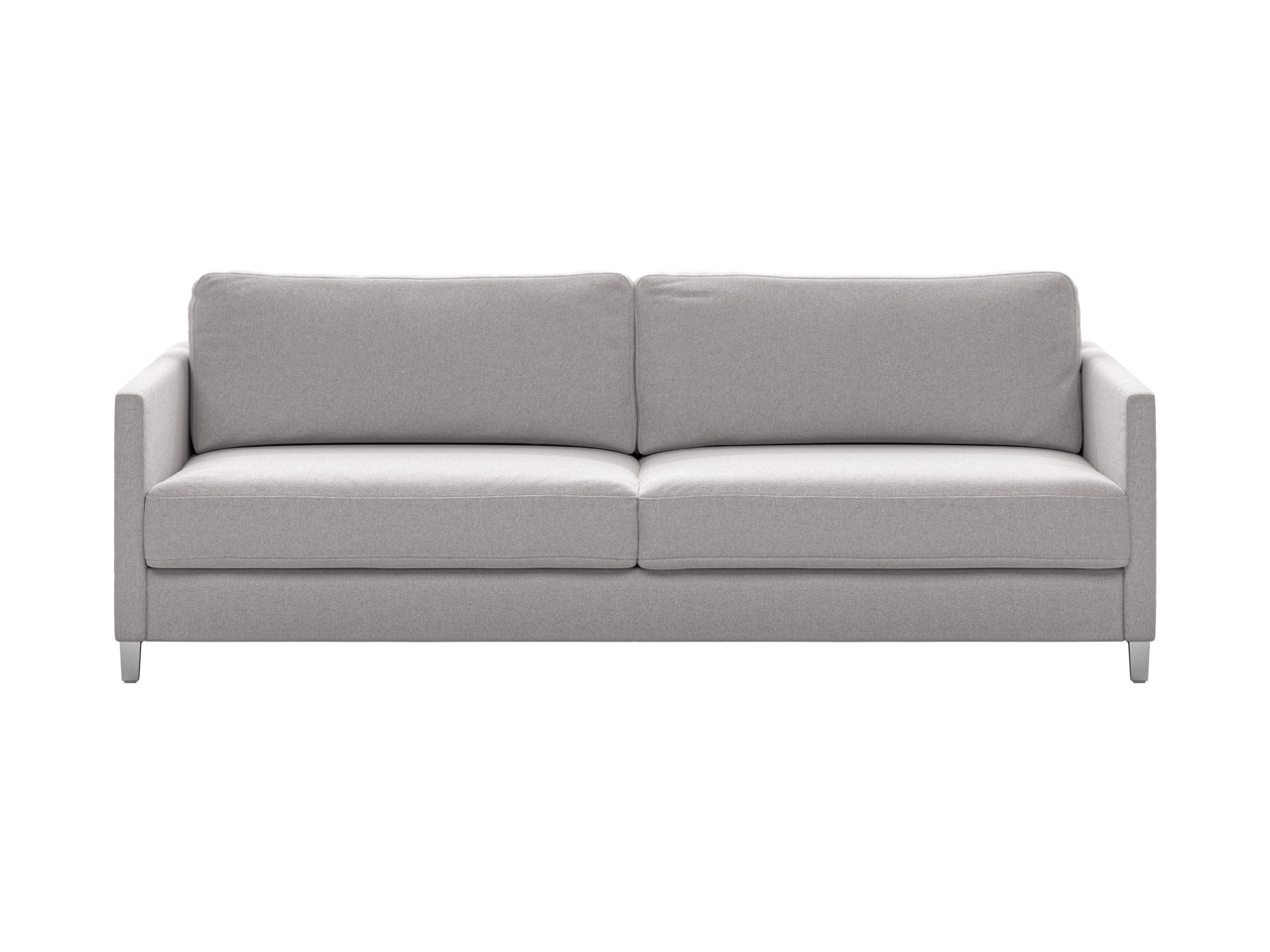
A reusable product-level asset can support launch content without waiting for a physical studio sample. 3. Give the external partner an operating contract
Market requirements, model standards, environment direction, file expectations, and review criteria were documented before production. The vendor could work as an extension of the internal launch process because inputs and approval responsibilities were explicit.
4. Connect approvals to product-development milestones
Review and revision happen alongside product decisions rather than after inventory arrives. This keeps imagery aligned with the current product while giving marketing and retail teams a predictable point at which assets become safe to use.
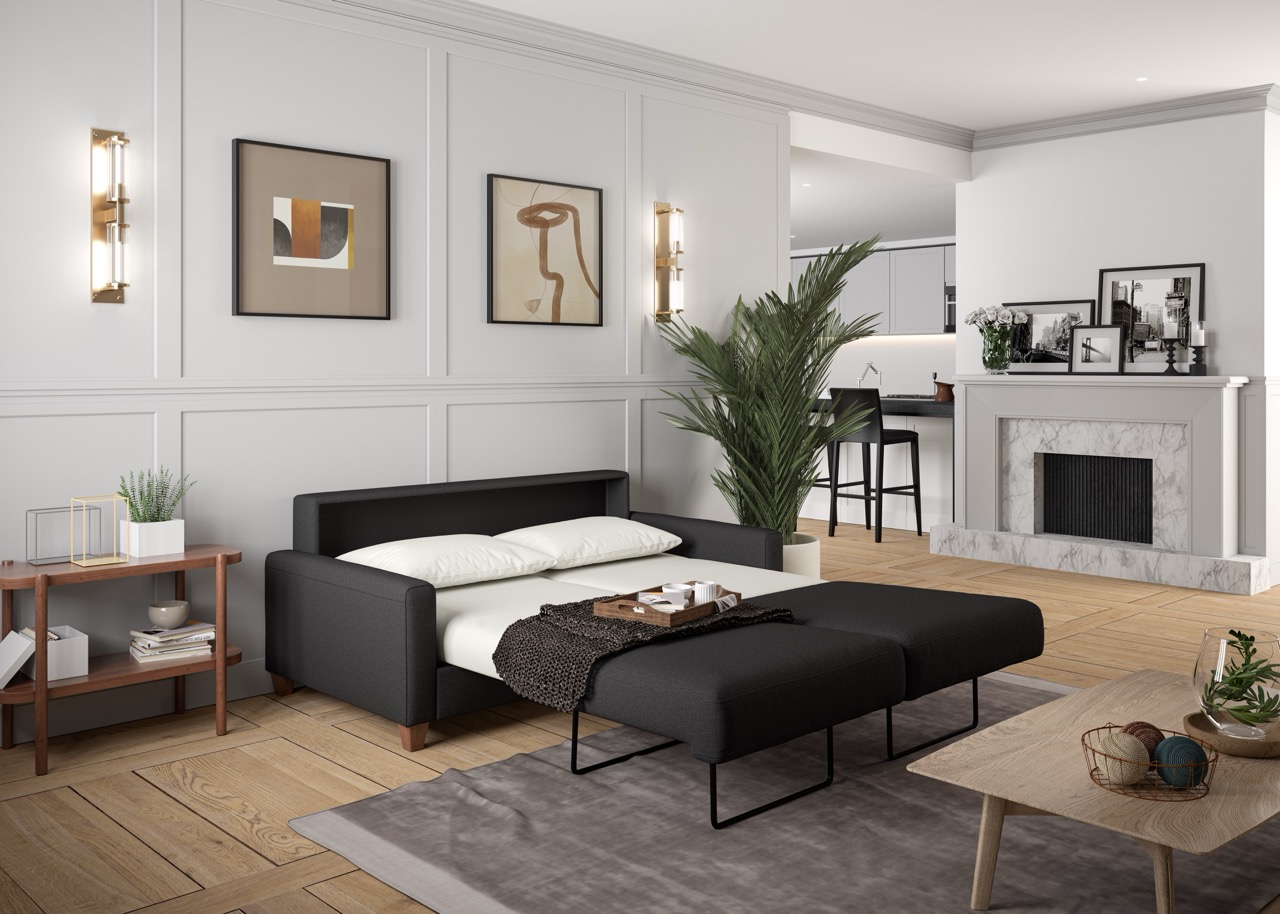
The approved model becomes a market-ready room rendering for retailer and campaign use.
Why it worked
CGI created value because the operating sequence changed. Reusable models, defined approvals, and an integrated vendor workflow turned visualization into a parallel supply chain. The organization recovered time without asking manufacturing or logistics to move faster.
Outcomes
- Campaign and retailer presell activity can begin four to six weeks earlier.
- The reusable library covers 55 products and more than 200 SKUs.
- Retailers can receive launch imagery while physical products remain in production or transit.
- Approved assets can be reused across product silhouettes, room environments, and later campaigns.
Led workflow architecture, vendor requirements, production governance, and adoption.